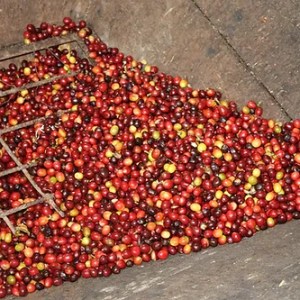
Colombia El Buho Sugarcane Decaf – Green Coffee Beans
Origin: Colombia
Regions: Huila & Tolima
Producers: Smallholder Farmers
Crop: 2025/26
Species: Arabica
Varieties: Castillo, Caturra & Colombia
Altitude: Approx. 1,500–2,100 MASL (indicative regional range)
Primary Process: Fully Washed
Decaffeination: Sugarcane / Ethyl Acetate (EA)
Grade: Excelso EP10
Screen: 15+
Bag: 60kg GrainPro / Ecotact
Tasting Notes: Toasted Nuts, Golden Syrup & Lemonade
Lot: CO-BUHO-60GP
Cupping Score: 83.75
Tasting Notes: Apple, Dark Chocolate, Brown Sugar
This coffee is a washed Colombian Arabica from the highland regions of Huila and Tolima, produced by smallholder farmers and then decaffeinated using the Sugarcane / Ethyl Acetate process.
Rather than starting with an anonymous commercial decaf, El Buho begins life as a quality Colombian coffee. The aim of the decaffeination process is to remove the caffeine while preserving as much of the coffee’s original sweetness, body and acidity as possible.
The result is a decaf with a clear origin story and a cup profile that still feels lively, balanced and recognisably Colombian.
Coffee from Huila & Tolima
The coffee is sourced from smallholder farmers across Huila and Tolima, two of Colombia’s most important Arabica-producing regions.
Both areas are known for mountainous terrain, high elevations and a wide range of microclimates. These conditions allow coffee cherries to develop gradually, helping build sweetness and acidity before harvest.
Coffee in these regions is predominantly produced by smaller family farms rather than large estates, with growers harvesting and processing relatively modest volumes each season.
El Buho brings together coffees from these producers to create a consistent regional profile while retaining the character of Colombian highland Arabica.
Smallholder Produced
This is not a single-estate coffee.
Instead, it represents the work of multiple smallholder farmers whose coffees are selected for quality and suitability before decaffeination.
That makes El Buho different from many generic decaf coffees, where origin and producer information can be lost entirely.
Here, the regional identity remains an important part of the finished coffee.
Castillo, Caturra & Colombia
This lot combines three well-established Colombian Arabica varieties:
Castillo, Caturra and Colombia.
Caturra is widely valued for sweetness and balanced acidity, while Castillo and Colombia were developed to combine good cup quality with stronger resistance to coffee leaf rust.
Together, these varieties create a dependable base with good body, sweetness and structure before the coffee enters the decaffeination stage.
Fully Washed Before Decaffeination
The coffee is initially processed using the fully washed method.
Ripe cherries are harvested and depulped, removing the outer fruit. The remaining mucilage is then removed through washing and controlled processing before the coffee is dried and prepared as green coffee.
Washed processing helps create a clean and defined cup, which is particularly valuable for decaf because it gives the coffee a strong flavour foundation before caffeine removal begins.
The Sugarcane Decaf Process
El Buho is decaffeinated using the Sugarcane / Ethyl Acetate process, often abbreviated to EA decaf.
Ethyl Acetate is a compound naturally found in fruits and coffee cherries. In this process, it is produced from a sugarcane-based source and used alongside water to remove caffeine from the green coffee.
How It Works
The green coffee is first gently steamed to open the structure of the bean.
It is then repeatedly rinsed with the Ethyl Acetate solution, which selectively binds with the caffeine and removes it from the coffee.
Once the target caffeine level has been achieved, the coffee is dried back to a stable moisture content of approximately 10–12%.
The process is designed to remove caffeine while retaining as much of the original coffee’s sweetness, body and aromatic character as possible.
Why Sugarcane Decaf?
Sugarcane decaffeination has become popular within specialty coffee because it can preserve more of the original coffee character than older, more aggressive decaffeination methods.
Rather than trying to hide the fact that the coffee is decaf, this process allows the underlying origin to remain part of the cup.
The result is a coffee that can still show sweetness, acidity and structure rather than tasting flat or heavily processed.
In the Cup
Expect notes of:
Toasted Nuts • Golden Syrup • Lemonade
The toasted-nut character gives the coffee depth and warmth, while golden syrup adds rounded sweetness.
A brighter lemonade-like acidity lifts the cup and helps keep it fresh and balanced.
The result is a decaf that feels approachable and comforting without becoming dull or overly heavy.
For Roasters
This coffee works particularly well at a medium roast.
At this level, the golden-syrup sweetness and toasted-nut character become more pronounced while retaining enough citrus brightness to keep the cup balanced.
A lighter development can preserve more of the lemonade-like acidity for filter brewing, while a medium to medium-dark roast will produce more body and depth for espresso and milk-based drinks.
Because decaffeinated green coffee behaves differently during roasting, it usually benefits from a more controlled approach rather than simply following the same profile as an untreated Colombian coffee.
A Decaf with a Clear Origin
El Buho offers a very different proposition from anonymous commercial decaf.
It combines:
Colombian smallholder production, Huila and Tolima provenance, washed processing, named Arabica varieties and sugarcane decaffeination.
That makes it an excellent choice for roasters who want to offer a decaf with genuine character rather than treating caffeine removal as the only defining feature.
Sugarcane decaffeination utilizes a naturally occurring compound, ethyl acetate (EA) to decaffeinate coffee. The EA process is relatively simple. The coffee beans are moistened with water and EA is circulated throughout. The EA binds with the caffeine in the bean and extracts the caffeine while leaving most of the other flavor compounds. After the desired caffeine level is reached, the EA residue on the beans is removed by steaming them.
Colombia has been producing and exporting coffee renowned for their full body, bright acidity and rich aftertaste, since the early 19th century.
Colombia boasts a wide range of climates and geographic conditions that, in turn, produce their own unique flavors in coffee. This also means that harvest times can vary quite a bit. In fact, between all its different regions, Colombia produces fresh crop nearly all year round.
The increasing focus on the specialty industry is changing the way traders and farmers do business. It is becoming more common for farmers to isolate the highest quality beans in their lots to market separately. These higher-quality lots are often sold under specific brands or stories.
Besides its wide variety of cup profiles, Colombia has quickly expanded its certification options over the past 10 years. The most common certifications available are Fairtrade, Rainforest Alliance, UTZ and Organic.